

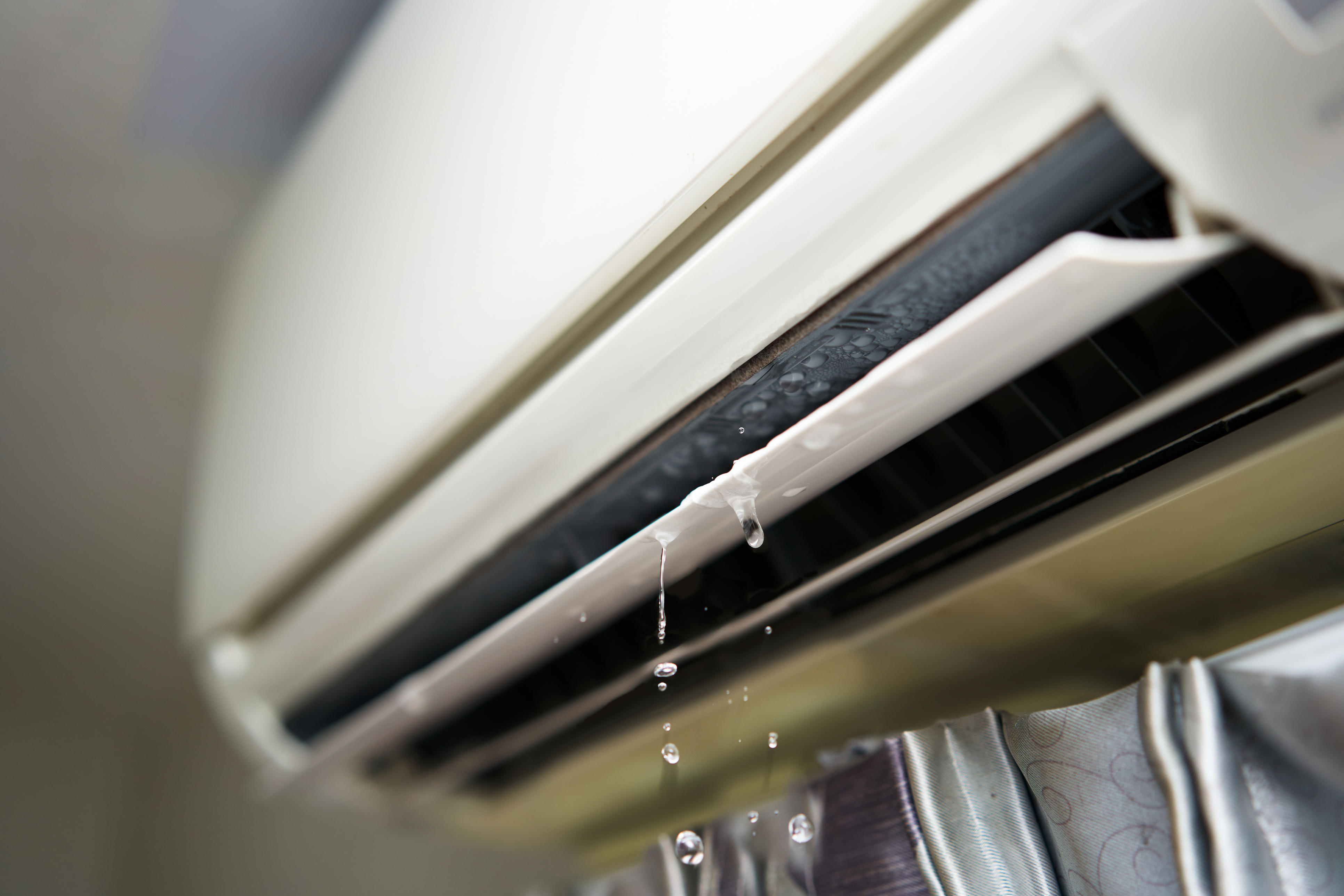
Walking across your utility room floor and feeling a damp, cold puddle is a homeowner's nightmare. Your air conditioning system is designed to handle humidity, but it should always keep that moisture contained within its internal drainage system. When you see water pooling around your indoor unit, it is a clear sign that something is amiss. While it might be tempting to simply wipe it up and move on, these leaks often signal underlying issues that require professional AC repair to prevent structural damage to your home. Understanding why this is happening can help you decide when to call in the experts.
The Risks of Ignoring AC Water Leaks
It is easy to underestimate the impact of a small leak, but your HVAC system is tightly integrated with your home’s electrical and flooring infrastructure. A persistent leak can lead to a host of problems, including mold growth on drywall, warped wood flooring, and even rust that can corrode your unit's internal components.
Furthermore, if water comes into contact with electrical connections, it can trigger short circuits that are not only expensive to fix but also potentially hazardous. By addressing the root cause early, you protect both your equipment and your home’s interior.
1. A Clogged Condensate Drain Line
The most common cause of an AC leak is a clogged condensate drain line. Over time, algae, mold, and dust can accumulate in this narrow pipe, creating a blockage. Because the moisture has nowhere to go, it backs up and spills over into your home. This is a common issue here in Alabama, where high humidity levels force your system to work harder and generate more condensate than in drier climates.
2. Frozen Evaporator Coils
When your evaporator coils get too cold, they can freeze over, forming a layer of ice. As the system cycles or shuts off, that ice begins to melt rapidly. If the condensate pan cannot handle the sudden influx of water, it will overflow. Freezing coils are usually a symptom of another problem, such as restricted airflow or low refrigerant levels, which require a trained technician to diagnose.
3. Damaged or Rusted Drain Pan
Your AC unit sits in a drain pan designed to catch the water that drips off the coils. If your unit is older, this pan may have developed cracks or rusted through due to constant exposure to water. If the pan is compromised, it cannot effectively catch the runoff, leading to water dripping directly onto your floor or into the furnace cabinet.
4. Dirty Air Filter
It sounds surprising, but a dirty air filter can actually cause a water leak. When the filter is clogged, it restricts airflow across the evaporator coils. This creates a temperature drop that leads to icing, which—as mentioned earlier—eventually melts and causes the unit to leak. Keeping your filter clean is the simplest way to maintain proper airflow and prevent this cascade of issues.
5. Refrigerant Leak
If your system is low on refrigerant, the pressure levels can drop, causing the evaporator coils to freeze. This is a serious concern because refrigerant should never run low in a sealed system. A leak not only causes your unit to blow warm air and leak water, but it also poses a risk to the environment and the longevity of your compressor.
Get Professional Help Today
At Anderson Plumbing, Heating & Electric, we understand that a leaking AC can turn a comfortable afternoon into a stressful situation. We have been serving Demopolis and the surrounding communities since 1982, and our team of certified professionals has seen and solved every type of HVAC issue imaginable. We believe in providing transparent, reliable service, ensuring that you understand exactly what the problem is before we begin any work. You do not have to live with the worry of water damage or a failing cooling system.
Reach out to our team at (334) 231-6980 to schedule an inspection today.